




Is your social media content just disappearing?
Let’s say that you spent a ton of time researching a post. You thought it was perfect, and then... nothing. Low likes. Zero comments.
The problem is probably not your content. It’s who you’re talking to. Generic posts aimed at everyone usually end up connecting with no one.
Enter: Audience Segmentation.
This is your strategic key. Instead of sending one generic message, you divide your massive audience into smaller, specific groups. You stop batch-and-blasting and start serving up tailored experiences that genuinely resonate.
This guide will show you how to actually figure out who your target audience is and what makes them tick, so you can stop getting “meh” results and start crushing it.
What Is Audience Segmentation?

Audience segmentation is just splitting up your big audience into smaller groups based on what they actually have in common, like what they’re into, how they act, or just their general vibe.
Segmentation is all about making sure you’re talking to the right people about the right stuff.
When you’re doing this on social media, we go deep. We look past the basics. Modern segmentation is about knowing:
What content do they actually stop scrolling for
When they are most active (are they a morning scroller or a late-night doom-scroller?)
Which platform do they prefer (Facebook, X, etc)
Why bother? Because the stakes are high. Nearly three-quarters of consumers (71%) expect brands to talk to them like an individual, and a huge majority (76%) get straight-up frustrated when they get generic junk. You can’t afford to just be ineffective anymore; you have to be relevant. Segmentation gives you the toolkit to nail that personalization.
Why Audience Segmentation Matters for Social Media Success
Social media is a speed game, and people’s attention span is? Non-existent. Your followers are scrolling past hundreds of posts every day. They only stop when something actually grabs them.
Here’s what happens when you actually segment your audience:
Your engagement goes way up. When you’re talking about stuff people actually care about, they stop scrolling. Segmented content gets way more likes, shares, comments, and clicks than the spray-and-pray approach.
More people actually buy your stuff. Targeted messages work better because you’re meeting people where they are. Instead of showing the same thing to someone who just heard of you and someone ready to buy, you can guide them through each step more smoothly.
You stop wasting money. Why blow your budget on people who were never gonna convert anyway? Segmentation helps you focus on the people who actually matter; companies cut their wasted ad spend by up to 30% doing this.
Customers stick around longer. When people feel like you actually get them, they don’t bounce. They stay, they buy more, and their lifetime value can jump up to 25%.
People actually give a damn about your brand. Relevant content builds real connections. When you consistently show up with stuff that matters to specific groups, they become legit fans, and customer satisfaction can increase by 15%.
The 8 Core Types of Audience Segmentation
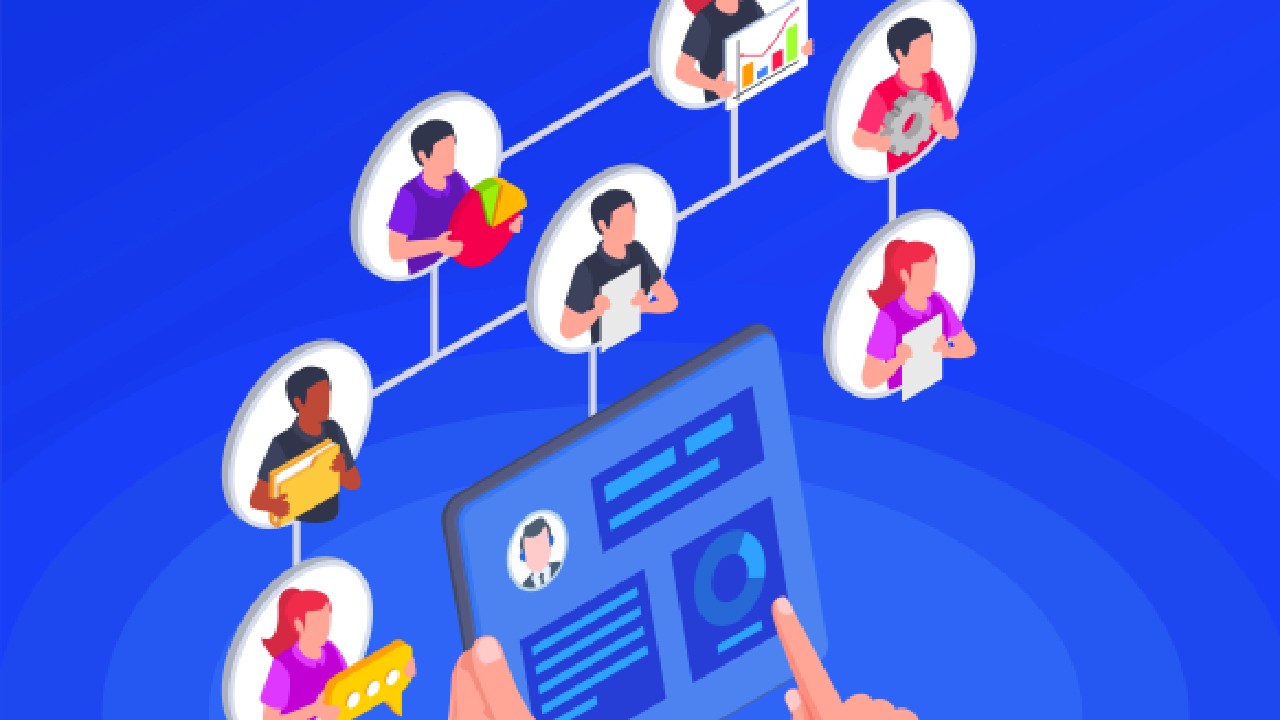
Segmentation sounds fancy, but it’s just about grouping people based on things they have in common. Here are the 8 main ways marketers do it, moving from the easy basics to the deeper, more powerful stuff.
Demographic Segmentation
This is the easiest way to split your audience. It’s all about statistics: age, gender, income, education, job, and family status.
For social media managers, this type gives them essential context. A high-end watch brand targets wealthy 40-60-year-olds, while a budgeting app targets 20-somethings just starting out. It’s easy to get data, which is why everyone starts here.
Geographic Segmentation
This one is simple: grouping people by their physical location (country, state, city, even neighborhood). Geography plays a huge role in what people need and how they act.
Why does it matter? A coat company won’t push parkas in Miami. A band won’t promote a concert in Seattle to followers in New York. Geographic segmentation lets you get hyper-local and relevant. You can also adjust language and address local customs.
Behavioral Segmentation
This is a powerful one because it analyzes what people actually do. When doing behavioral segmentation, take a look at their purchase history, level of engagement, and customer journey stage.
This is what powers all those clever retargeting ads. If someone left something in their shopping cart, they get an ad reminding them. If they love your educational videos, you give them more of that!
Psychographic Segmentation
Time to dig into the ‘why’ behind the behavior. Their personality, values, interests, beliefs, and lifestyle tell you who they are emotionally.
Demographics say they are a 35-year-old lawyer. Psychographics say they are an environmentally conscious adventure-seeker who values experiences over possessions. That second piece of info completely changes your messaging.
Knowing the motivations and mindsets of your audience helps you connect deeply. If your audience values sustainability, your outdoor gear brand talks about recycled materials. If they value status, your brand talks about exclusivity. You align your message with their core beliefs.
Interest-Based Segmentation
This type of audience segmentation groups people based on the content they consume. This approach is particularly powerful for social media because platforms provide rich data about user interests and content preferences.
If your audience follows five different home fitness accounts, you know they have a high “fitness affinity.”
Aside from knowing your audience, interest-based segmentation guides your content calendar. Does your audience love your behind-the-scenes posts? Then make more behind-the-scenes posts.
Technographic Segmentation
This is all about how people use tech. What devices are they on? Which platforms do they use? How fast is their internet?
If 80% of your people are scrolling on their phones, you'd better be posting vertical videos that load quickly and are easy to watch with one hand.
Targeting corporate users? Hit them on LinkedIn during work hours. Trying to reach teens and Gen Zs? You need to be on TikTok, period.
It’s really just about showing up where your people are, on the devices they’re using. Get that right and everything else gets easier.
Lifecycle Stage Segmentation
This segmentation type groups people based on where they are in their journey with your brand, from total stranger to obsessed superfan. The messaging for each stage is completely different.
Awareness: They’re just finding you. Give them educational, helpful content, not sales pitches.
Consideration: They’re comparing options. Give them testimonials and product comparisons.
Decision: They’re ready to buy. Give them a quick-to-use coupon or a free trial.
Advocacy: They love you! Ask them to review you or join an exclusive community.
Why it matters: You stop making embarrassing mistakes, like constantly offering a “first-time buyer” discount to a customer who has been with you for five years.
Needs-Based Segmentation
This one focuses on the specific problem they want your product to solve. Customers use the same product for totally different reasons.
Example: People buy a protein shake.
Segment 1: Wants muscle gain. They need posts about strength and high-protein recipes.
Segment 2: Wants a quick meal replacement. They need posts about convenience and low calories.
See? It’s all about being the solution to their problem, not just a problem.
So, how do you actually start segmenting? It’s not as scary as it sounds. Here’s your quick, five-step action plan to build out your own audience strategy:
1. Dig into the Data. First, you have to know who’s watching! Use your social media analytics and listening tools to grab all the data you can.
2. Define Your 3-6 Main Segments. Not every tiny group needs its own strategy. Pick 3 to 6 primary segments that really matter to your goals and make sure they’re crystal clear.
3. Create Detailed Personas. Give your segments a face and a name. Build out those detailed buyer personas, so you know exactly who you’re talking to.
4. Map Content to Each Squad. Match your content themes and messages directly to each specific segment and their needs.
5. Launch, Check, and Tweak. Implement your strategy! But don’t stop there; always watch the results and be ready to tweak and adjust when something isn’t landing right.
Final Thoughts
Segmentation isn’t some marketing buzzword because it actually works. It means less wasted time and more meaningful engagement. Most importantly, you build an audience that sticks around. That’s pretty much the whole game.
It’s time to stop pushing content and start pulling people in with personalization. Now, go put these steps into action and watch your engagement finally take off!