



We’ve all been there: scrolling through Reddit or a Slack channel and seeing that one person swearing that scheduling tools are the reason their engagement tanked. It’s enough to make any social media manager paranoid. Do you really need to be hovering over your phone at 9 PM on a Sunday just to hit “post” manually?
Short answer: No. Your sleep schedule is safe.
The idea that scheduling “kills” your reach is one of those myths that just won’t die. But the truth is, the algorithms aren’t out to get your Buffer or Hootsuite posts. They care way more about what you’re posting than how it got there.
In this article, we’ll unpack the myths and realities surrounding social media scheduling and provide actionable strategies that let you schedule confidently.
What “Reach” Really Means in Social Media
Source: vectorjuice via Freepik
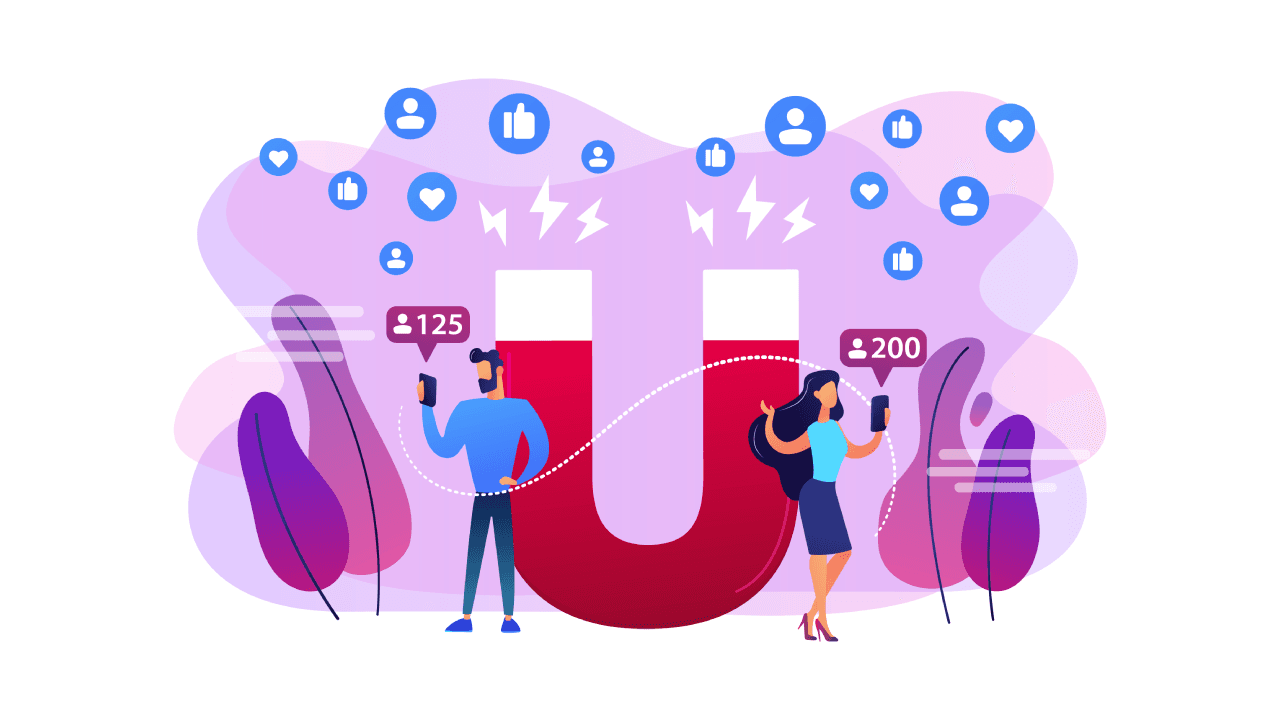
First, let’s clear up the lingo. Reach is basically just the number of unique users who actually saw your post.
It’s easy to get it mixed up with Impressions. Think of it this way: If your follower looks at your post ten times, that’s ten impressions but only one person reached.
Organic Reach vs Impressions
Organic reach is basically the free visibility you get without paying for ads. A post can rack up tons of impressions but actually reach hardly anyone if it’s just the same people scrolling past it repeatedly.
Platforms don’t really care how many times you pop up in someone’s feed. What they actually pay attention to is how many new people are discovering you.
The Rise of Scheduling Tools in Social Media Strategy
Scheduling tools were created to help marketers save time, maintain consistency, and plan ahead, and not to “trick” algorithms.
Whether you’re managing multiple accounts or planning a campaign, scheduling tools help you do the following:
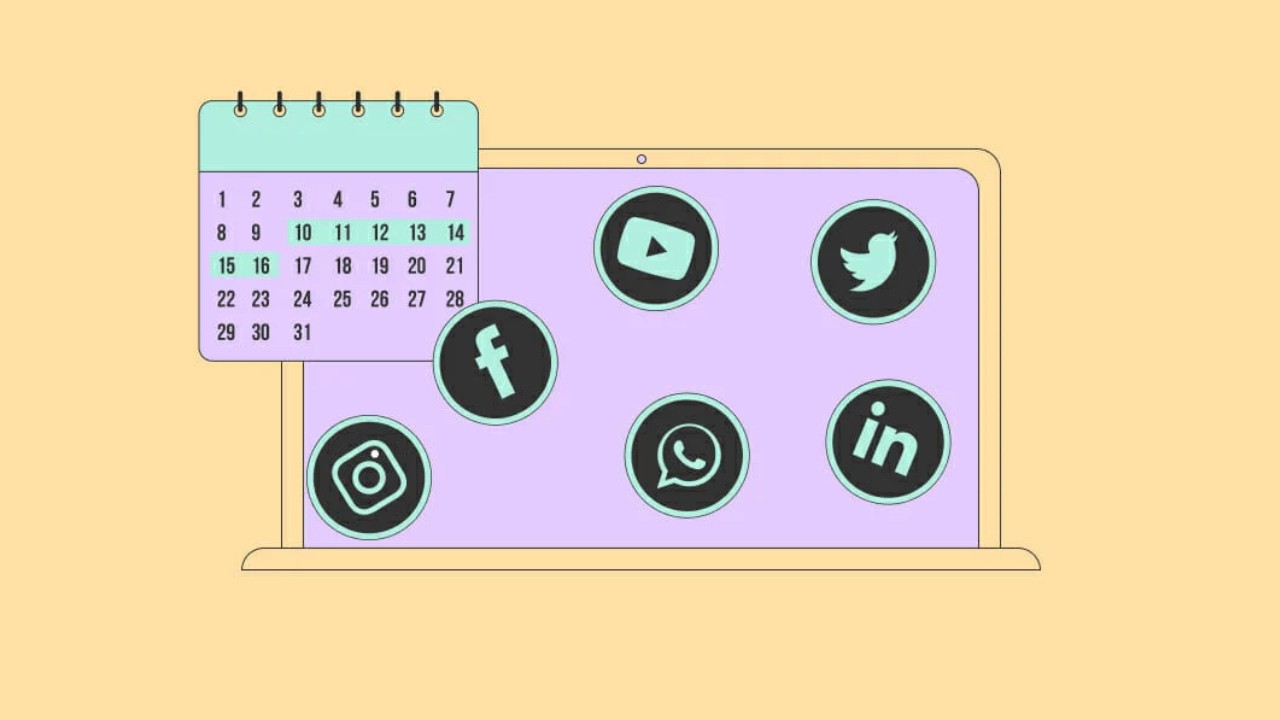
Organize content calendars
Batch post creation
Maintain consistent posting routines
Native Scheduling vs Third-Party Platforms
Platforms like Meta’s Business Suite, LinkedIn, and YouTube now offer native scheduling. Third-party apps (Buffer, Hootsuite, and Sparkum) use platform APIs to schedule content. Modern integrations mean these tools aren’t penalized by algorithms simply for scheduling.
Does Scheduling Hurt Your Reach?
Some believe that platforms secretly favor manual posting to keep users active. However, there’s no evidence that modern platforms systematically penalize scheduled posts.
Algorithms on Instagram, LinkedIn, and Facebook treat scheduled posts exactly the same as manual ones. They don’t care about the tool you used; they care if your content is actually good.
What Actually Affects Your Social Media Reach
Algorithms don’t inherently “downgrade” scheduled content. What they care about are signals that indicate relevance and engagement.
Content Quality Is King
If scheduling doesn’t affect reach, what does? The answer is simultaneously simple and challenging: your content itself.
High-quality, engaging content performs well on social media platforms regardless of whether it’s posted via an app or natively through a platform.
On the opposite side, poor quality content will underperform even if manually posted at the perfect moment.
Posting Timing and Consistency
When you post matters way more than how you post. This is where scheduling tools really shine. You can hit those prime times without actually being glued to your phone at weird hours.
The “best” time to post changes depending on the platform and who follows you.
Aside from timing, consistency also affects your reach. Algorithms want to see that you’re active and worth showing to people. When your posting schedule is all over the place, it confuses everyone. The algorithm doesn’t know when to expect you, and your followers eventually just stop looking for you.
Using a scheduler keeps that steady rhythm going, even when you’re drowning in a million other tasks or juggling five different accounts.
Audience Engagement and Interaction

Scheduling posts doesn’t mean abandoning engagement.
Just because a post is set to go out automatically doesn’t mean you can just disappear. The real work actually starts once the post goes live. You still need to show up, jump into the comments, and actually talk to people.
Whether the post was scheduled or manual doesn’t matter. Engagement does.
Benefits of Social Media Scheduling Tools
Saves Time and Improves Workflow
The biggest perk is pretty obvious: it stops the “daily scramble.” Imagine you’re managing five clients across four platforms—that’s 20+ different logins. Doing that manually every day is a recipe for a meltdown.
Schedulers pull all that chaos into one dashboard. Instead of being “always on,” you can:
Batch your work
Stop the context switching
Plan campaigns weeks or months ahead of product launches or seasonal events
Reduce daily stress from constant publishing pressure
Reclaim personal time without sacrificing professional presence
Allows Strategic Content Planning
When you’re posting on the fly, you’re usually just trying to “get something out there.” Schedulers let you see the big picture. With a content calendar view, you can visualize the mix, identify content gaps, and optimize posting schedules.
Gives Better Data for Performance Tracking
Most scheduling tools like Buffer, Hootsuite, or Sparkum have way better analytics than the native apps. Sparkum, in particular, provides demographic info, insights, and audience breakdown all in one place.
It helps optimize your strategy through the following analytics features:
Peak Posting Hours
Key Performance Stats
Smart Filters
Hashtag Performance
Makes Teamwork Way Easier
Are you working with a team or clients? Schedulers are a lifesaver for collaboration. You get seamless approval workflows, shared content libraries, role-based permissions, and less email clutter.
Collaboration features like these allow you to review and approve content easily, right in the scheduler itself.
Free vs. Paid Tool Considerations
Free scheduling tools provide genuine value for specific use cases:
Limitations typically include:
Reduced number of social accounts (usually 1-3)
Limited scheduled posts per month (10-30)
Basic analytics without advanced metrics
No team collaboration features
Restricted customer support
Free tools work well for:
Individual content creators managing personal brands
Small businesses with limited social media needs
Testing scheduling workflows before committing to paid tools
Side projects or passion projects with minimal budgets
Paid tools justify their cost when:
Managing multiple client accounts or agencies
Coordinating team workflows with approval processes
Requiring detailed analytics and reporting for stakeholders
Posting high volumes of content across many platforms
Needing priority customer support for time-sensitive issues
Best Practices to Maximize Reach With Scheduling
Source: Influencer Marketing Hub
Here’s how to make scheduling work for your reach strategy:
Finding Your Sweet Spot for Posting
Don’t just blindly follow those “best times to post” listicles.
Check your own platform data first. Instagram Insights tells you when your followers are scrolling. Facebook Page Insights shows you the same thing. LinkedIn’s analytics will show you when the professional crowd is tuning in.
Instead of guessing, actually test it out. Post the same type of stuff at different times over a few weeks and see what happens. The numbers will tell you what works.
Mixing Up Your Content
Think bigger than just individual posts. Here’s a solid formula to follow:
50% educational
30% shared content
20% promotional stuff
Testing What Actually Works
Scheduling tools let you experiment way more than you could manually:
Try different captions with the same image at different times. See which one people vibe with more.
Test different formats. Take the same idea and try it as a carousel, single image, and video. See what hits.
Play around with hashtags. Five versus fifteen. Niche versus popular. Check the reach and engagement.
Mix up your calls-to-action to see what gets people to actually do something.
Keep rotating different types of content and let the data show you what’s working. Don’t just assume you know what people want.
The Bottom Line
So, is social media scheduling bad for reach? Short answer: no. Long answer: it’s only ineffective when it’s used without strategy, creativity, or real audience insight.
When you use it right, it’s actually a total game-changer. It gives you your time back, keeps you consistent, and lets you plan content that actually makes sense for your audience.
That’s exactly where Sparkum comes in. Built for modern social media managers and growing teams, our platform helps you:
Schedule posts without sacrificing reach
Optimize posting times based on real performance data
Stay consistent across platforms while keeping content human
Collaborate, review, and adjust content in one streamlined workflow
Instead of scrambling to post in real time, you can focus on what truly drives reach: better ideas, stronger engagement, and smarter decisions. Join our waiting list to get notified of our launch!