




Social media isn’t what it used to be. It’s not just about likes and follows anymore; people are literally shopping while they scroll. Tapping that “add to cart” button can happen in seconds, and if you’re a social media manager who’s not thinking about sales, you’re missing the whole point in 2025.
This guide breaks down what actually works when you’re trying to sell stuff through social media. We’re going to cover the nitty-gritty like actual strategies, the technical tips, and the tactical stuff you can put into action today. You’ll have the blueprint for making your social media not just engaging, but seriously profitable.
Understanding Social Commerce
So, what is social commerce, anyway? Think of it like this: it’s shopping without the effort. You’re just scrolling through your feed. You see a product, you tap it, and you buy it right then and there. You never have to leave the app to go to a brand’s website. It’s all about making that impulse buy super easy and instant.
Why should you care as a social media manager? Because it completely changes your job. You’re not just trying to get people to click away to a website anymore. You’re building the entire shopping experience right where people already are.
Statista says social platforms drove about 17% of all online sales in 2025, and that number keeps climbing. It works so well because people trust what they see from real people.
When someone’s scrolling and sees their friend or a creator they follow actually using a product, they’re way more likely to buy. TINT found that 87% of shoppers say user-generated content influences what they buy. It’s the whole “I’ll have what she’s having” effect, except now you can buy it in two taps.
The Evolution from Social Marketing to Social Selling
Social media used to just be about building your brand and getting engagement. You’d post, get some likes, and cross your fingers they’d make it all the way to your website to purchase something.
Social commerce throws all that out the window. Now people can buy the second when they’re interested. No clicking away, no “I’ll come back to this later.”
This means you need to think differently as a social media manager. It’s not just about racking up likes anymore. You’re creating content that needs to look good, feel authentic, and actually get people to buy. Your posts need to be shoppable. Your inventory needs to sync up properly. It’s a whole different game.
And honestly, it changes everything about how you work. Your content now has to do double duty. It needs to be engaging enough that people stop scrolling, but also nudge them toward buying without feeling pushy.
Platform-Specific Social Commerce Strategies
Meta: Facebook and Instagram
Facebook and Instagram are basically the heavyweight champions of social commerce right now. Meta’s built this whole connected shopping experience with Facebook Marketplace and Instagram Shopping, so people can browse and buy your stuff without bouncing between apps.
Setting up Facebook Shops is pretty straightforward. You’re creating a mini store that lives right on your Facebook page and Instagram profile. If you’re already using Shopify or another major platform, it syncs automatically with your product catalog. Once it’s set up, everything in your inventory becomes shoppable. People can tap on products in your posts, Stories, or wherever.
Instagram Shopping is especially killer if you’re selling anything visual. Think fashion, beauty, home stuff, and food. Two billion people use Instagram, and a ton of them are younger shoppers who treat social media like a shopping mall. You can tag products in regular posts and Reels, add shopping stickers to Stories, and there’s a whole Shop tab that works like a storefront built for phones.
You can’t just spam people with “BUY NOW” posts because the algorithm will kill your reach. The key is finding the magic balance between inspiring people and making a sale. Tell good stories, feature customers using your product, and make sure you’re offering real value. The posts that succeed are the ones that feel real, even if they have product tags everywhere.
What actually works on Meta:
Group your products into collections that make sense together, not just random stuff from your inventory
Make Reels showing your products in real life, and use whatever audio is trending, and get creative with it
Turn on in-app checkout if you can
Answer DMs and messages fast because Instagram actually tracks this, and it affects how many people see your stuff
Mix up your formats: carousels work great for showing different features, single images for that aspirational vibe, and videos when you need to demo something
TikTok Shop
TikTok is absolutely crushing it in social commerce right now. Over 70% of users say they’ve been inspired to buy something from what they saw on the app.
With TikTok Shop, people can buy stuff without ever leaving. It’s what some people are calling “entertainment commerce,” which honestly nails what it feels like.
In TikTok, you don’t need a massive following to blow up. The algorithm does its own thing, so one good video from someone with like 2,000 followers can suddenly rack up thousands of sales if people vibe with it. This is huge for smaller brands or products that are easier to show than explain.
If you’re managing social for a brand on TikTok, throw out everything you know about traditional ads. The best product content on TikTok doesn’t even look like you’re trying to sell something. Product hacks and “get ready with me” are more popular than the usual sponsored posts.
Another great feature is TikTok Live. Live shopping is a whole different beast. You’re demonstrating products in real time, answering questions as they come in, dropping limited-time deals that make people panic-buy in the best way. Brands going live are seeing engagement that makes regular posts look boring in comparison.
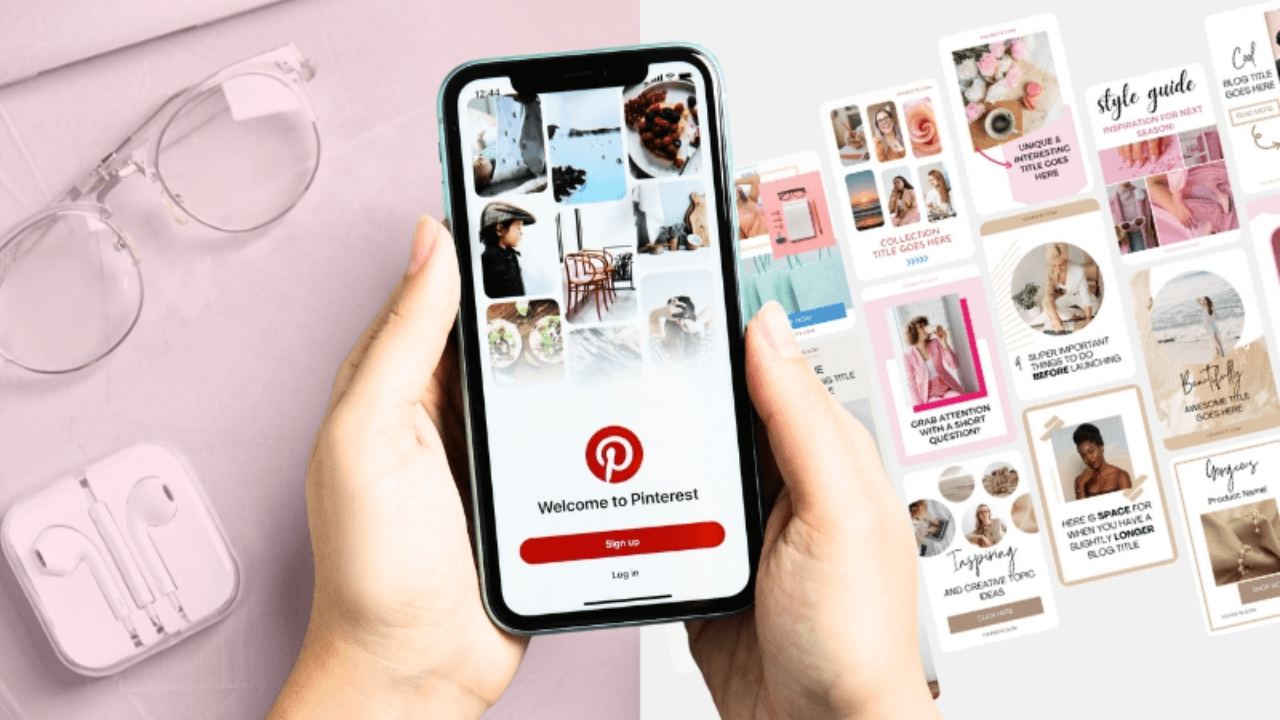
Pinterest is different from other platforms because people show up ready to buy. They’re not just mindlessly scrolling. They’re actively looking for ideas, inspiration, and stuff to purchase. That’s why Pinterest sends more traffic to shopping sites than most other social platforms.
Rich Pins are a game-changer because they automatically pull product info. Everything updates in real time, so people always see what’s accurate. No one’s clicking through only to find out something’s sold out. You can also run Shopping Ads and sync your whole catalog, so your products pop up when people are searching for related stuff.
The visual search thing is pretty cool, too. Someone can literally take a photo of something they like, and Pinterest will show them similar products they can buy.
For your brand, this means your product photos need to be on point, like clean backgrounds, different angles, and lifestyle shots. The better your images, the more likely people find you through visual search.
If you want to integrate social commerce into your Pinterest strategy, treat it like a search engine, not just another social platform. Keywords matter a lot. What you write in pin descriptions, how you name your boards, and even your image alt text. All of that affects whether your products show up when someone’s searching. Unlike Instagram, on Pinterest, your keywords are literally how people find you.
YouTube
YouTube’s approach to social commerce is all about deeper content. It’s the kind of content that helps people make decisions on bigger purchases or more complicated products. Some examples are tutorial videos, unboxing clips, and detailed reviews. You can drop shopping links right in there so people can buy what they just watched you use.
The cool part about YouTube is that your content keeps working for you. A solid product review you post today could still be making sales years from now if it ranks well in search. That makes it perfect for products people need to understand before they buy.
YouTube Shorts is their answer to TikTok, but it’s tied to Google’s whole ecosystem, which gives it an edge. You can tag products in Shorts, and they link to your channel’s Shopping tab, so someone goes from a quick entertaining video to detailed info to check out.
If you’re running a YouTube strategy, you need to give people something worth watching. The channels that actually sell stuff are the ones solving problems, teaching people things, or just being genuinely entertaining. Creator partnerships work better as long-term deals here, too. Building trust with an audience over time converts way better than one random sponsored video.
LinkedIn and B2B Social Commerce
LinkedIn doesn’t get talked about much in social commerce conversations, but it’s actually becoming huge for B2B. It’s where the decision-makers hang out, and you can target people super specifically based on their job and industry.
The content approach is totally different, though. You’re not doing hard sells. Instead, you’re sharing insights, real case studies, and showing how you actually solved problems for other businesses. Sponsored posts and InMail can direct qualified leads to landing pages where your sales team can track who’s interested and reach out at the right time.
Final Thoughts
When you nail the e-commerce and social integration, everything just flows. People discover your products naturally while they’re scrolling, and they start trusting your brand through real interactions.
Start small, try things out, see what your audience responds to, and adjust as you go. The future of shopping isn’t just online anymore. It’s happening right in people’s social feeds.
And if you need a tool that brings all this together in one place? Check out Sparkum! It’s built for exactly this kind of work.