



SIf you think AI is only useful for writing captions, you’re leaving an enormous amount of value on the table. The ways to use AI in social media (not just for content creation) are multiplying fast, and social media managers who figure this out early are gaining a serious competitive edge.
According to Hootsuite’s 2026 Social Media Trends report, 79% of social media managers now use AI daily. But the majority are still using it for one thing: generating posts. That’s fine as far as it goes.
But AI’s real power in social media lies in what it does around content. It’s great at digging into what your audience actually wants, spotting a PR crisis before it blows up, and finding the gaps where your competitors are falling short.
This guide focuses on how you can actually make AI work for you, from getting inside your audience’s heads to keeping a sneaky eye on what the competition is up to.
1. Audience Segmentation and Targeting
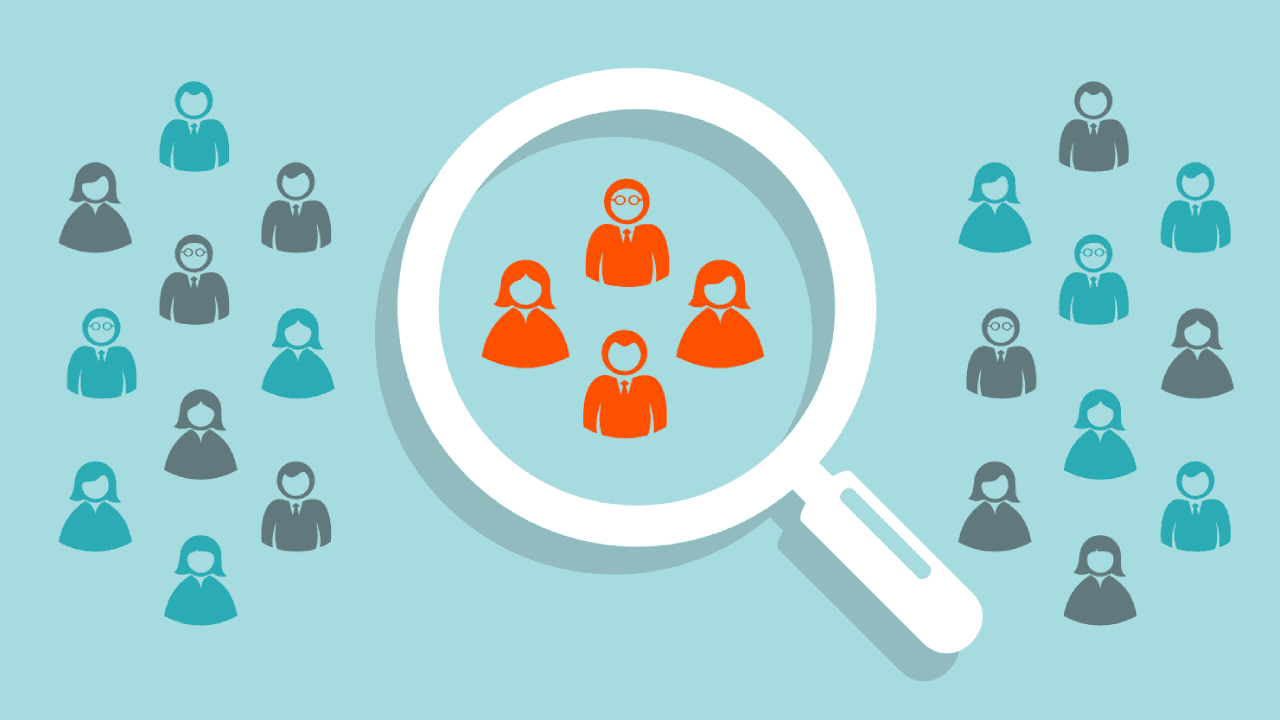
Back in the day, getting to know your audience meant losing hours scrolling through comment sections, sending out surveys people barely opened, or squinting at platform analytics that didn’t really tell you anything useful.
Getting to know your audience used to mean scrolling through comment sections, running the occasional survey, or squinting at platform analytics that honestly don’t tell you that much. AI changes this completely.
AI analytics tools can chew through millions of data points and hand you insights easily. These tools can help you build out detailed audience profiles in hours instead of months.
2. Competitor Analysis and Benchmarking
Competitive analysis is one of those things everyone knows they should be doing and almost no one does well enough, mostly because it takes forever. AI fixes that.
Many AI tools can now help you predict KPIs and catch trends before they really take off. This gives you a much clearer picture of what competitors are up to and how their audiences are actually responding.
Brian Gorman, SEO Director at Sixth City Marketing, has a solid process for this. When a new client comes on, he uses Perplexity Deep Research for industry and audience research, then runs the last 6-12 months of the client’s social posts through ChatGPT. He then does the same for their competitors.
Doing that manually would eat up days. With AI, it’s minutes.
So, what should you actually be looking for? Go way beyond follower counts. Use AI to dig into things like:
Which content themes are driving the most engagement for competitors
What keywords and hashtags keep showing up
How their audience sentiment stacks up against yours
Where are the gaps in their strategy
How often they’re posting and when
Most people use competitor analysis to copy. Use AI to stand out instead. If your competitors are all hammering the same topics with similar content, AI can help you find the adjacent angle nobody’s covering yet.
3. Trend Forecasting

There’s a massive gap between chasing a trend and actually being the one to kick it off.
Old-school “research” usually meant doom-scrolling TikTok for hours or staring at Twitter’s trending sidebar, basically just hoping your gut instinct was right. AI completely flips that. Instead of you doing all the heavy lifting, it’s out there scanning millions of signals in real-time and spotting patterns before they even hit the mainstream.
It’s less about following the crowd and more about getting a massive head start. You get to own the conversation while everyone else is still trying to figure out what’s happening.
4. Content Gap Identification
Flip side of trend forecasting? Finding the gaps, and AI is really good at this.
Feed it your past content, your competitors’ posts, and what people in your niche are talking about, and you can quickly map:
Topics that are popular with your audience but you’ve barely touched
Questions people keep asking that nobody’s bothering to answer
Content formats that are clearly working in your space, but you haven’t tried yet
5. Posting Optimization
Knowing when to post sounds simple until you’re juggling five accounts across four platforms, each with a completely different audience. Then it gets messy fast.
AI helps cut through that by digging into your historical data and surfacing patterns you’d probably never catch on your own. Tools like Sparkum look at past engagement rates, clicks, shares, and tell you when to post.
And it’s not just about timing either. AI can also flag when your content mix is starting to feel too salesy, nudge you to add more educational content, or tell you when your audience is actually in the right headspace for a product push.
If you’re managing multiple brands or big clients, this is a genuine time-saver. You’d spend less time shuffling the calendar around and more time doing the work that actually requires your brain.
6. AI-Powered Community Management

Did you know that you need 10-15 minutes for basic maintenance, to 1-2+ hours per day for active community interaction?
Sometimes, keeping up with comments, DMs, and mentions is the most exhausting part of the job. While AI isn’t going to replace the actual connection you have with your followers, it’s a lifesaver for the grunt work.
Instead of drowning in notifications, you can use AI to auto-sort your inbox. It can flag the angry customers who need help ASAP, filter out the bot spam, and group the “love this!” comments together. It’s about clearing the clutter so you can actually spend your energy on the conversations that matter, rather than just trying to hit “inbox zero.”
7. Automated Reporting
If you’ve ever spent your Friday afternoon frantically copy-pasting numbers from three different apps into a messy spreadsheet, you know the pain. AI-powered reporting is a total game-changer here.
Instead of just giving you a wall of numbers, modern tools actually tell the story of what happened. They can:
Connect the dots: Pull data from everywhere into one clean dashboard.
Explain the “Why”: Tell you why a post went viral or why your reach dipped, rather than just showing a graph.
Spot weirdness: Flag a random spike in followers or a sudden drop in engagement before you even notice it.
Predict the future: Use your current trends to guess how your next campaign might perform.
The best part? When you have to present to your boss or a client, these tools can whip up a summary that speaks their language. It helps you show how social media is actually helping the business grow.
8. AI-Driven Social Media Advertising
Ad platforms have come a long way from just “boosting a post” and hoping for the best. Now, platforms can actually swap out images, tweak the copy, and change the format in real-time based on who’s looking at their screen.
Tools like Meta’s Advantage+ or LinkedIn’s Predictive Audiences do the heavy lifting by matching your creative to the people most likely to actually click or buy.
If you want to go beyond the basic platform tools, AI apps let you:
Turn one basic brief into dozens of ad variations.
Automatically put your money behind the top-performing content.
Predict which content will actually convert before you drop a single dollar.
Although AI can help with your ads, you still need a human in the driver’s seat to make sure the strategy actually makes sense for the business.
9. Brand Safety Monitoring and Crisis Prevention
Every social media manager has a horror story about a post that landed wrong. AI won’t stop humans from making mistakes, but it’s amazing at catching those mistakes early on.
In terms of crisis prevention, AI works in two ways:
It scans your scheduled posts and ads to flag anything that might be risky or off-brand before it ever goes live.
It monitors mentions and hashtags in real-time. If the “vibe” suddenly shifts from happy to angry, you’ll get an alert immediately so you can jump in before it trends for the wrong reasons.
Final Thoughts
Everyone’s obsessed with one question when it comes to AI and social media: Can it write my captions?
The better question is how AI can change the way you work across the board. Not just what you post, but how you research, plan, respond, and make decisions.
In all of those areas, AI isn’t here to replace you. It’s just really good at handling the stuff that eats up your time, so you can focus on the parts that actually need a human brain.
Which AI use case has made the biggest difference in your social media workflow? Drop your answer in the comments below and share this article online!