




As a social media manager, do you chase the 24-hour hype or build something that actually lasts?
It’s the weekly struggle of filling a content calendar without losing your brand’s soul. You’ve got to keep the audience happy with consistent posts, but you’re constantly stuck choosing between riding a viral trend or investing in “forever” content that keeps paying off months down the road.
In this guide, we’re getting into what evergreen content actually is, why it deserves more credit than it usually gets, when trending content is worth the pivot, and how to mix the two in a way that works long-term. Whether you’re running one brand account or juggling a whole client roster, consider this your playbook.
What Is Evergreen Content?
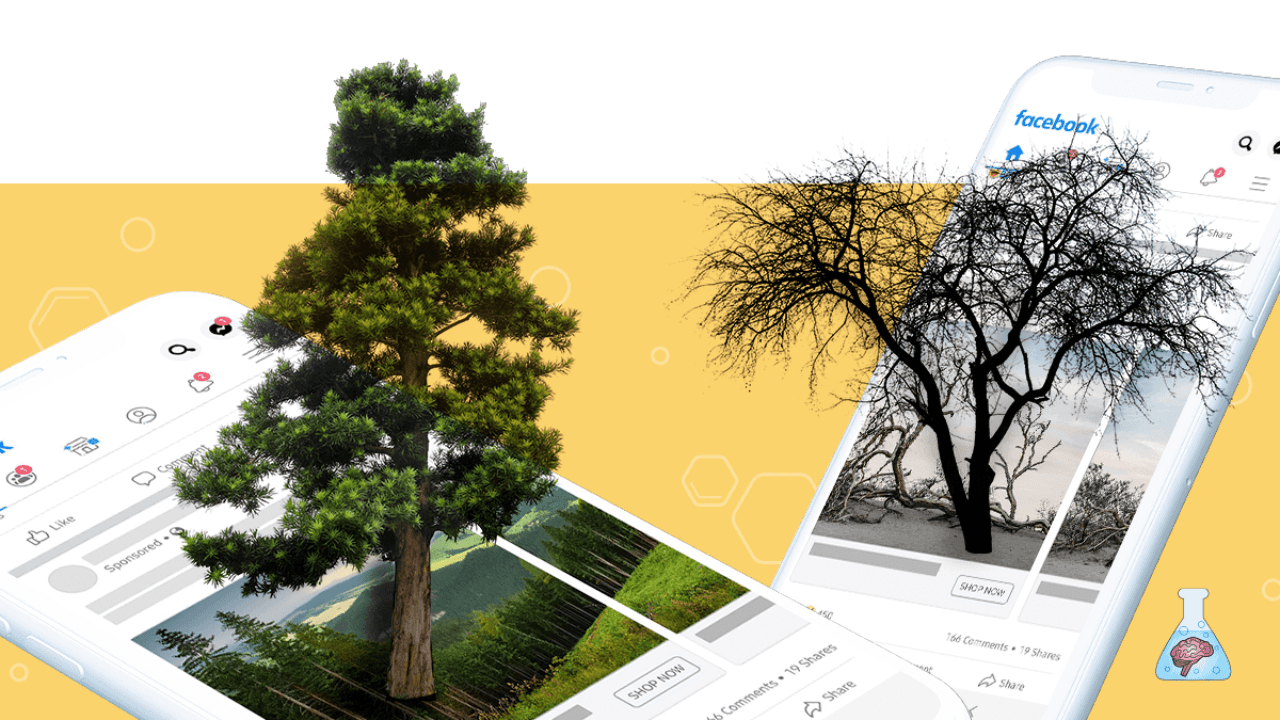
The name comes from trees that stay green all year. In the content world, it’s the same vibe: these are the posts that stay helpful and relevant long after the “new post” notification disappears.
Evergreen content typically covers:
How-to guides and tutorials
FAQ posts
Definitions and explainers
Best practices and strategy guides
Case studies
The real win for content managers? Reusability. A solid evergreen post can be rescheduled, reshared, and repurposed across platforms without losing its value, which means you’re not starting from zero every single week.
What Is Trending Content?
Trending content is the opposite of evergreen. A viral moment, a breaking story, a seasonal hook, or a platform challenge that everyone’s doing. The shelf life is short, but the potential for a quick burst of engagement is huge.
Examples of trending content include:
Breaking industry news or algorithm updates
Real-time reactions to pop culture moments
Seasonal campaigns tied to holidays or events
Newsjacking or inserting your brand into an existing conversation
The biggest upside is timing. When something’s new, there’s less competition. A brand that puts out something smart on a trending topic within 24-48 hours can get way more visibility than they’d ever get trying to rank for an established topic.
The downside is just as real, though. Every trending post has an expiration date. Traffic spikes, then falls off fast.
And if you’re managing multiple accounts, constantly chasing trends gets exhausting. It can push you toward reactive, rushed content that doesn’t really reflect the brand well, or worse, actively hurts it.
The Core Differences Between Evergreen and Trending Content
Understanding the strategic differences between these two content types helps social media managers make smarter decisions about where to invest their energy.
Factor | Evergreen Content | Trending Content |
Traffic Pattern | Slow build, sustained over years | Sharp spike, rapid decline |
SEO Value | High as it accumulates backlinks and rankings | Low long-term SEO value |
Creation Time | Higher investment upfront | Requires speed, often lighter research |
Repurposability | Very high | Low and quickly becomes dated |
Engagement Style | Steady, educational | Immediate, emotional, reactive |
Best Platform | Blog, YouTube, LinkedIn, Pinterest | Twitter/X, TikTok, Instagram Stories |
Risk Level | Low but consistent returns | Higher risk and trend may not gain traction |
Brand Authority | Builds long-term credibility | Reinforces brand personality and relevance |
Neither type is superior. They serve fundamentally different functions in your content ecosystem, and the smartest social media managers use both deliberately.
The ROI Case for Evergreen Content

Let’s talk numbers, because the data here is pretty convincing.
Research from Demand Metric suggests evergreen content can generate around four times the ROI compared to trend-based stuff. Once a solid evergreen piece is published and optimized, it keeps bringing in traffic, leads, and shares without you having to touch it again.
Ahrefs found that top-performing evergreen content often holds a top-10 Google ranking for two or more years before traffic starts to dip. For anyone managing a brand blog or content hub, that’s a big deal. One well-crafted guide can drive discovery for years from a single effort.
Here’s another research: the Content Marketing Institute has reported that marketers running roughly a 70/30 split (70% evergreen, 30% trending) see about 50% higher ROI. It’s what happens when your content actually compounds instead of expiring.
There’s also the burnout angle, which doesn’t get talked about enough. Brands that go all-in on trending content have to produce constantly just to stay visible. Evergreen content takes that pressure off. If you’re an agency managing multiple clients, that kind of efficiency is kind of essential.
When Does Trending Content Work?
Writing off trending content completely would be a mistake. There are times when timely, reactive content genuinely outperforms evergreen, especially on platforms built around what’s happening right now.
Trending content tends to shine when:
You need to grow fast and gain new followers easily
Brand personality is the point
You’re newsjacking something relevant
Seasonal moments line up with your audience
One huge trap to avoid: not every trend deserves your time. Jumping on everything just because it’s viral can make your brand look a bit scattered. The brands that actually pull this off are super picky. Before you post, just ask yourself: “Does this actually make sense for us, or are we just making noise?”
Follow the 70/30 Content Rule
The framework most content strategists actually agree on is the 70/30 rule: roughly 70% evergreen, 30% trending. It gives you a steady base of organic traffic while still leaving room to tap into real-time moments.
Within your evergreen posts, try to mix up the formats. Carousels tend to do well for saves and shares on Instagram, but rotating in video tutorials, quote graphics, and text-based posts keeps things from feeling repetitive.
For your trending posts, you don’t always have to be scrambling last minute. A lot of “trending” moments are actually predictable, like National Days, industry conferences, and platform updates. Building those into your calendar in advance takes the panic out of staying timely.
But what if you mix these two types of content? Trending Hook + Evergreen Framework = Hybrid Content. Here are some examples:
Example 1: A post about a viral marketing campaign (trending) expanded into an evergreen analysis: “What Great Brand Moments Have in Common.” The specific campaign becomes an example; the principle becomes the lasting takeaway.
Example 2: Seasonal evergreen content. “The Ultimate Social Media Calendar Template for Q4” is timely. But if the template structure is solid, you refresh it annually rather than rebuilding from scratch.
The best part about this mix? Your core content stays relevant, and you just tweak the specific dates each year to keep it fresh.
Think of it as a hybrid approach that actually respects your time. It’s a huge win for anyone managing socials because it stops your “trending” posts from being one-hit wonders. Instead of a post dying after 24 hours, you’re creating assets that get that initial viral spike but still pull their weight months down the line.
Evergreen vs. Trending Content for Different Social Platforms
Every platform has its own “vibe,” and trying to post the same thing everywhere is a quick way to get ignored. You’ve got to play by the rules of where you’re posting.
Here’s the realistic breakdown of how to split your effort:
LinkedIn is all about authority. People are there to learn or network, so long-form posts and educational carousels live forever here. If you do go for a trend, give it a professional spin. Don’t just post a meme; explain why it matters for your industry.
The Mix: 80% Evergreen / 20% Trending
Instagram is split down the middle. Your grid (posts/carousels) is for the pretty, helpful stuff people want to save. Your Stories and Reels are where you can be messy and jump on whatever audio is blowing up.
The Mix: 65% Evergreen / 35% Trending
TikTok
TikTok moves fast, but don’t sleep on search. “How-to” videos can actually rack up views for months. That said, you still need to lean into the culture of the app to get noticed.
The Mix: 50% Evergreen / 50% Trending
X (Twitter)
This is the most reactive place on the list. It’s all about breaking news and viral conversations. The only way to make it “evergreen” is by writing high-value threads that people bookmark for later.
The Mix: 40% Evergreen / 60% Trending
Pinterest isn’t really social media; it’s a search engine. Trends don’t matter much here. A good pin can drive traffic to your site for years.
The Mix: 90%+ Evergreen
Key Takeaway
The question isn’t really which type of content you should focus on. It’s how you build a strategy that lets both types do what they do best.
Managing this balance, however, can quickly become overwhelming without the right tools. That’s why Sparkum is designed to make the process easier. From planning evergreen campaigns to scheduling trend-based posts in real time, our tool helps teams organize content, collaborate efficiently, and stay ahead of what’s happening online.
Launching soon, it will give social media managers, agencies, and creators the control they need to plan smarter, publish faster, and keep their content strategy working all year round. Stay tuned!