





You don’t need a massive marketing budget to nail your hashtag game. Honestly, some of the best strategies out there are built using nothing but free tools, native search bars, and a little bit of digital sleuthing. If you’re a social media manager working with a tight budget, don't sweat it. You’re not behind the curve, you're just playing it smarter.
Hashtags are like GPS for your content. With millions of posts hitting Instagram, TikTok, and LinkedIn every single day, they’re what keep your stuff from getting lost in the shuffle.
In this guide, we’re breaking down how to do hashtag research for $0. Whether you're running one account or ten, this approach will help you level up your reach without spending a dime.
Why Hashtag Research Matters for Social Media Managers
Did you know that Instagram posts with at least one hashtag get 12.6% more engagement than those without? Hashtags help people who don't follow you actually find your stuff. One solid, well-researched tag can put your post in front of thousands of the right people for free.
For social media managers on a budget, the goal is to develop a systematic research process that consistently surfaces those "sweet spot" hashtags without paying for premium analytics subscriptions every month.
Understanding Hashtag Types
To build a strategy that actually works, you need a mix of different tags. You can't just have one thing and expect it to work. Here are the most hashtag types:
Broad or High-Volume Hashtags
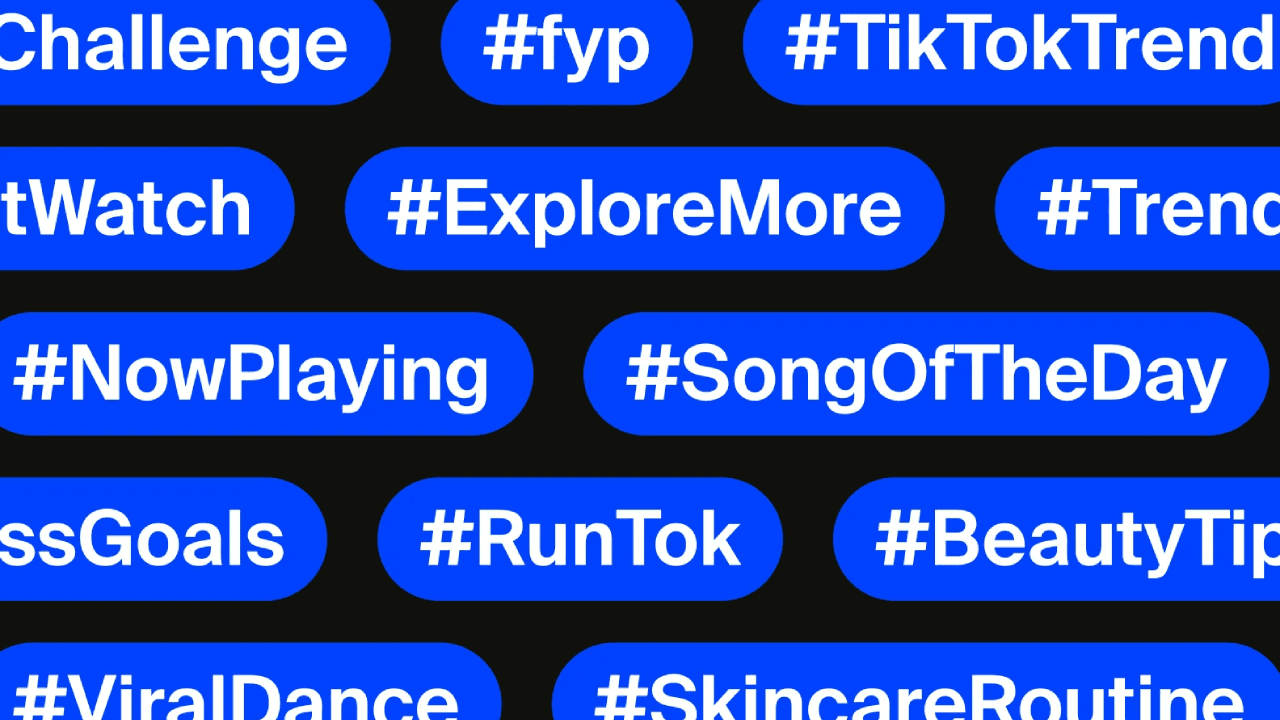
These tags have massive post volumes (e.g., #fitness or #travel with 500M+ posts). They offer huge potential reach but are extremely competitive. Your post will rarely surface in top results unless you manage a very popular page.
Examples might include:
#marketing
#socialmedia
#food
#foryou
#trending
Niche Hashtags
These are way more specific, like #homegymsetup or #veganrecipes. Most niche hashtags have smaller audiences, but they’re much more "your people." With only around 5K–100K posts, you're far more likely to get actual engagement here because the content is exactly what they’re looking for.
Examples include the following:
#socialmediamanagerlife
#contentmarketingtips
#localfoodblogger
Branded or Community Hashtags
The third category includes community hashtags or brand hashtags. For social media managers, these tags are extremely useful for brand monitoring and campaign tracking. These hashtags serve two purposes: to build community and track user-generated content.
The most effective hashtag strategies combine:
20% high-volume hashtags
50% niche hashtags
30% community or branded hashtags
This layered approach increases the chances of appearing in multiple discovery channels simultaneously.
Step 1: Start with Native Platform Search

You don't need to download a new tool or sign up for a service yet. The best data is usually hidden in plain sight on the platforms you're already using.
This is the most underutilized hashtag research method available to social media managers, and it costs nothing.
Instagram Native Search
Type a keyword into the search bar and hit the "Tags" tab. You’ll immediately see related hashtags and their total post counts.
We recommend that you watch the autocomplete dropdown as you type. Instagram is literally showing you what people are searching for in real-time.
X (Twitter) Explore Tab
The Explore tab isn't just for news; it's perfect for catching a hashtag right as it starts to trend. You can manually search any tag to see how much "noise" it’s making and if the conversation fits your brand.
TikTok Discover Page
TikTok's Discover page is where you can check trending hashtags with real-time volume data. It even shows you the total views for a hashtag, which gives you a great idea of what’s actually capturing people's attention right now.
LinkedIn Search
For B2B work, LinkedIn’s native search is surprisingly powerful. When you start writing a post, LinkedIn will suggest tags based on your profile and what you’ve posted before. It’s a great way to stay consistent without overthinking it.
Step 2: Use Free Hashtag Research Tools Strategically
Once you've exhausted native platform research, a handful of robust free tools can deepen your data. The key is knowing which tools to use and what their free-tier limitations are. Here are some of the most popular free hashtag generators:
BrandMentions
Keyword.io
VEED
All Hashtag
Hashtagify.app
Step 3: Spy on Competitors and Influencers
Some of the best hashtag intelligence is already published publicly in your competitors' posts. Competitor hashtag analysis is a completely free, endlessly renewable source of research data that most social media managers underuse.
How to sneak a peek at your competitors' tags:
Start by picking out five to ten accounts that are doing exactly what you want to do. You’ll want a mix: your direct rivals, the "dream" brands you look up to, and the influencers your audience actually follows. Head over to their profiles and really spend some time digging through their recent posts.
Look for patterns:
Which hashtags keep popping up across multiple posts?
What’s their balance of broad vs. niche tags?
Are they using community or platform-specific tags you’ve never seen before?
Step 4: Use Google Trends for Ideas
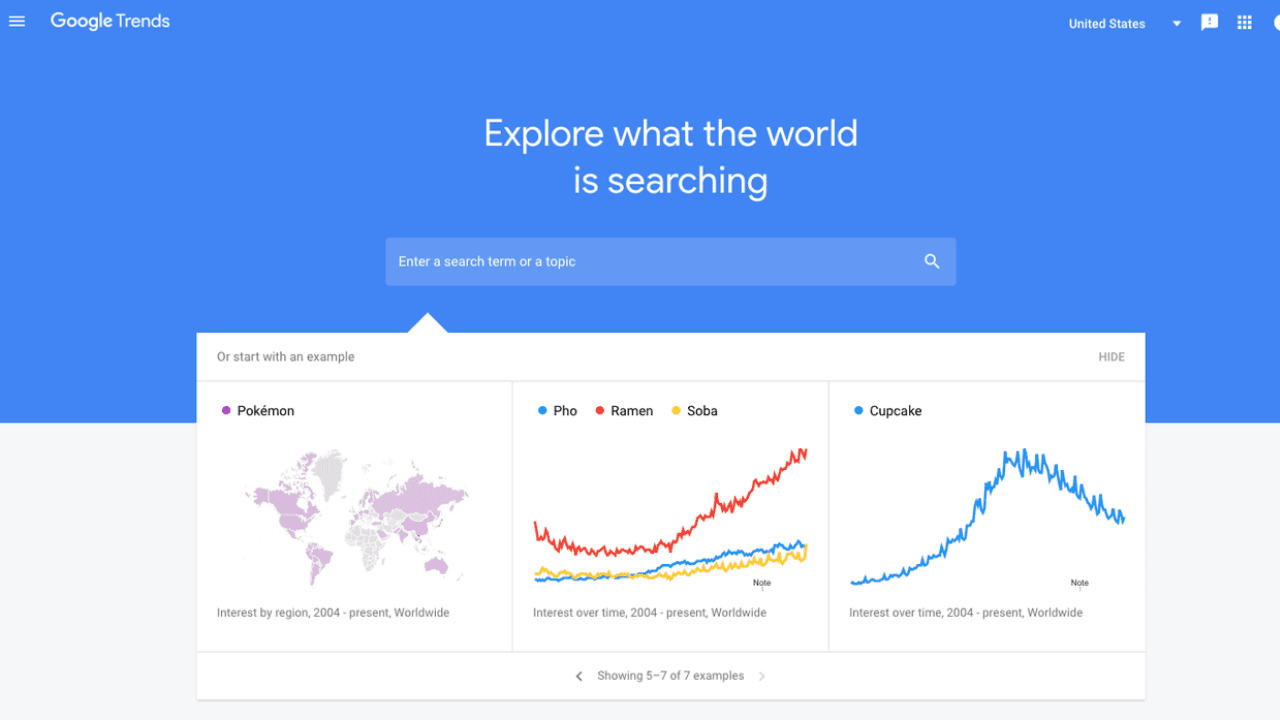
Google Trends is a free, powerful tool that most social media managers never think to apply to hashtag research.
If a search term is steadily growing on Google, there’s a massive chance it’s gaining traction on social media, too.
For example: "cortisol face" is spiking on Google Trends, so that’s your cue to start researching #cortisol or #cortisolface on Instagram. It lets you jump on a trend right as it’s starting, rather than waiting until everyone else is already doing it.
Step 5: Build and Maintain a Hashtag Research Spreadsheet
Consistent hashtag research only works if you actually track what you're finding. You don't need anything fancy for this because a simple, free spreadsheet does the trick.
Here’s a quick breakdown of what to include in your tracker:
Hashtag name – the exact tag including the # symbol
Platform – Instagram, TikTok, X, LinkedIn, etc.
Post Volume – approximate number of posts using this tag
Category – community, niche, location, branded, trending, etc.
Content type – which of your post categories does this tag suit
Performance notes – engagement observations from your own posts
Date added/last reviewed – hashtag relevance changes; log when you last validated
Stop researching hashtags from scratch every time you hit "post." Instead, try grouping them into sets based on what you’re actually sharing.
If you’re rotating between educational tips, promo posts, and behind-the-scenes content, each of those should have its own go-to hashtag list ready to go.
Step 6: Track What’s Working and Keep Tweaking
Your hashtag strategy isn't something you set and forget. The best results come from actually paying attention to what's happening and adjusting as you go.
Check Your Analytics Regularly
If you have an Instagram business account, dig into Insights after each post. You want to see how many impressions came from hashtags versus other places like the home feed, Explore, or your profile. That number tells you pretty quickly whether your hashtags are actually getting you in front of new people.
On X, keep an eye on impressions and engagement rate, and start connecting the dots between those numbers and the hashtag sets you used. After a few weeks, you'll start to notice which combinations are consistently pulling more weight.
Actually Test Your Hashtags Against Each Other
If you post the same type of content on a regular basis, try swapping out your hashtag sets and seeing what happens. Use Set A for one week, Set B for the next, same content type. Then compare the reach and engagement side by side.
You don't need any fancy paid tool for this. A basic spreadsheet works fine. Stick with it for six to eight weeks, and you'll have enough real data to actually make smarter decisions.
Key Takeaway
Did this guide help you sharpen your hashtag strategy without spending a cent? What's one hashtag research trick you've discovered that most people don't know about?
Budget constraints should not hinder you from excellent hashtag research. The brands winning at organic social media aren't spending more; they're researching smarter.
Now you have the blueprint to do the same. Start your hashtag audit today, and turn your next post into a discovery engine for the audience you've been trying to reach.
If you’re looking for an all-in-one social media management tool, Sparkum is exactly what you need! Our tool handles all the heavy lifting so you can spend less time managing and more time creating content. We have content, insights, and strategy all in one place. Join our waitlist!